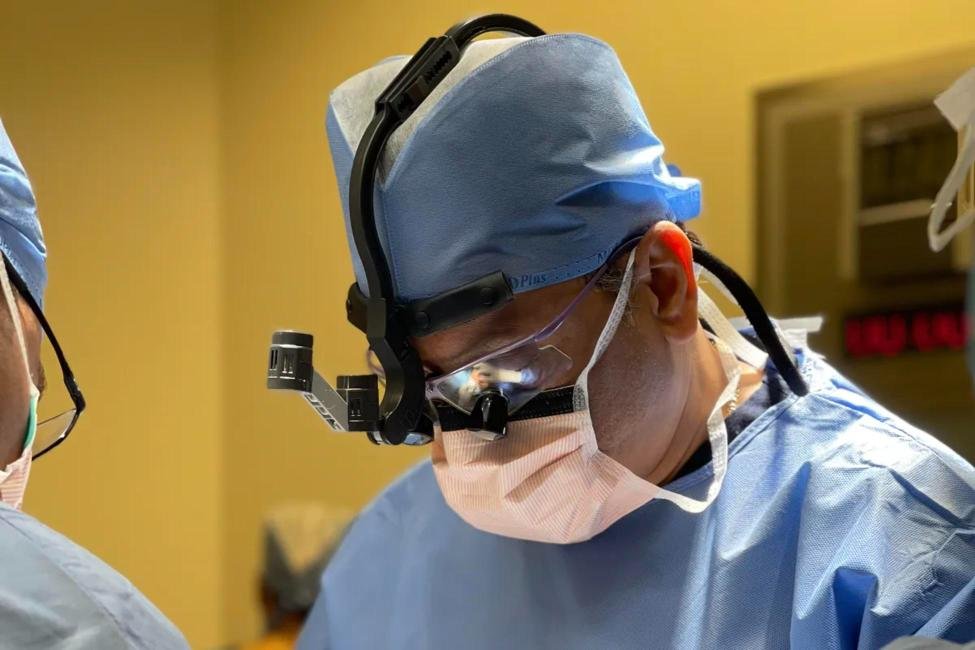
By Dr Sanjay Parashar, MBBS, MS, MCh (Plastic Surgery), DipNB — Consultant Plastic Surgeon, Dubai London Hospital (DHA licence 00244892) · ISAPS National Secretary for the UAE · Performing rhinoplasty since 1993 · Updated October 2026
Quick answer: Rhinoplasty is a safe operation for healthy patients when it is done by a trained plastic surgeon, in an accredited hospital, with a dedicated anaesthetist monitoring you throughout. Safety comes less from the operation itself and more from the checks before surgery, the team in theatre and the care in the first week afterwards. This guide explains each step, so patients flying in from Mumbai or living in the UAE know exactly what to ask.
I have performed rhinoplasty since 1993 and in Dubai since 2005. Over that time, one lesson has stayed constant: a good nose is built on a safe operation. Here is how I make that happen for every patient.
What type of anaesthesia does rhinoplasty use?
I prefer general anaesthesia (GA) for most rhinoplasty. You are fully asleep, your airway is protected, and I can work precisely without you feeling or remembering anything. It also keeps you comfortable during longer operations such as septorhinoplasty or cartilage grafting.
Some smaller procedures, such as a nasal tip refinement or alarplasty (narrowing the nostrils), can be done under local anaesthesia with IV sedation. Even then, I only do them in a hospital operating theatre, never in a clinic room.
Why the hospital matters. I operate at Dubai London Hospital, Jumeirah. A hospital gives you a fully equipped theatre, an anaesthetist on site, a recovery unit and inpatient nursing. If anything unexpected happens, every resource is already in the building. That is the single most important safety question to ask any surgeon: where will my operation take place?
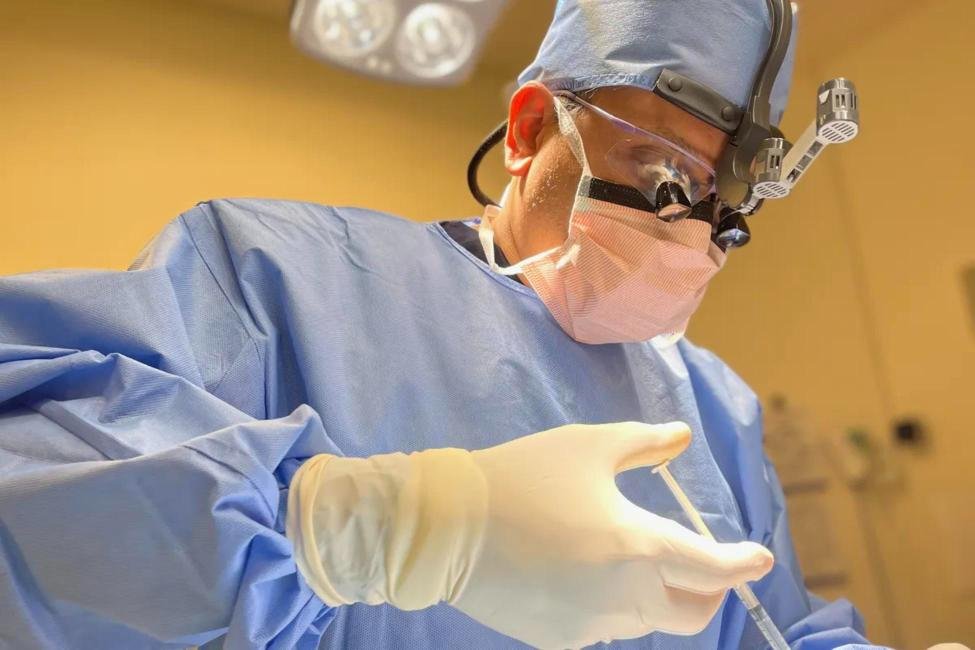
Who is in the operating theatre with you?
Your safety depends on a team, not one person. In my theatre you will have:
- Dr Sanjay Parashar — your operating surgeon
- An assistant surgeon — helps throughout the procedure
- A consultant anaesthetist — stays with you from the moment you fall asleep until you wake up
- An anaesthesia technician — supports the anaesthetist and the monitoring equipment
- A circulating nurse — manages instruments, counts and theatre safety checks
Your heart rate, blood pressure, oxygen levels and breathing are monitored continuously. After surgery you move to the recovery team, who watch you closely as you wake. Once you are fully alert and stable, you go to your private room.
I have followed this same team-based protocol for the last 20 years in Dubai and Delhi, and it has served my patients safely throughout.
Pre-op checks: medicines, supplements and fitness to fly from Mumbai
Most of your pre-operative work-up can be done in Mumbai before you fly, so your time in Dubai is short and focused. My protocol includes:
- Medical health check-up — a review of your medical history, allergies and any past surgery or anaesthesia.
- Blood tests — including a blood count and clotting profile.
- ECG — I prefer an ECG for patients above 35.
- CT scan (some patients) — if you have breathing problems, a deviated septum or a previous nose operation, a CT scan shows the internal structures before we plan.
- Medicine and supplement review — tell us everything you take. Blood thinners, aspirin, painkillers such as ibuprofen, and supplements such as fish oil, vitamin E, ginkgo and garlic can increase bleeding. We will tell you what to stop and when. Never stop a prescribed medicine without your doctor’s advice.
- Fitness to fly — share your results with our team before booking flights. If you have a medical condition, we coordinate with your doctor in Mumbai.
Your final surgical plan is confirmed only after I examine you in person in Dubai. For travel planning, see flying from Mumbai to Dubai for rhinoplasty.
6 questions to ask any rhinoplasty surgeon
Whether you choose me or another surgeon, ask these questions before you commit:
- What are your qualifications? Look for specialist training in plastic surgery and a valid licence in the country where you are operated on (in Dubai, a DHA licence).
- What is your training background in nose surgery? Rhinoplasty is one of the most technical operations in plastic surgery. Ask how the surgeon learned it and whether they do both open and closed techniques.
- How often do you perform rhinoplasty? Regular practice matters. A surgeon who does rhinoplasty every week is more practised than one who does it occasionally.
- What complications can happen, and how often do you see them? A good surgeon will explain the possible risks honestly — swelling, bleeding, infection, breathing changes or the need for revision — and tell you how they manage them.
- How will you help me avoid complications? Listen for a clear answer covering pre-op tests, hospital setting, anaesthetist, aftercare and follow-up.
- Who looks after me after surgery, and how do I reach them? You should know exactly who to call, day or night, especially once you are back in Mumbai.
You can read more about Dr Sanjay’s training and experience.
Night 1 and when it is safe to fly home
Most patients stay overnight in hospital after rhinoplasty, resting in a private room where nurses monitor comfort, breathing and any bleeding. Some patients having a simpler rhinoplasty can go home the same day, provided a responsible adult accompanies them. Mild swelling, a blocked nose and some bruising around the eyes are normal in the first days.
When can Mumbai patients fly home? On day 5, I remove the splint, clean the nose and fit a light, mouldable splint that you learn to remove and reapply yourself. Most travelling patients can fly home on day 6 or 7 with only tapes on the nose. You continue wearing the splint at home, including overnight, for about a month.
Follow-up continues at 1, 3, 6 and 12 months, in person or by video call for patients abroad. See the full rhinoplasty recovery timeline.
Frequently asked questions
Is rhinoplasty safe?
For healthy patients, rhinoplasty is a safe operation when it is done by a trained plastic surgeon in an accredited hospital, with a dedicated anaesthetist monitoring you throughout.
Is rhinoplasty done under general anaesthesia?
Most rhinoplasty is done under general anaesthesia. Smaller tip or nostril procedures can be done under local anaesthesia with IV sedation, in a hospital operating theatre.
Can I do my pre-op tests in Mumbai?
Yes. Blood tests, a health check-up, an ECG (if you are over 35) and a CT scan (if needed) can usually be done in Mumbai before you fly to Dubai.
Do I stay overnight in hospital after rhinoplasty?
Most patients stay one night in hospital. Some patients having a simpler rhinoplasty go home the same day, provided a responsible adult accompanies them.
How long should I stay in Dubai after rhinoplasty?
Plan for about a week. The splint is removed on day 5 and most travelling patients fly home on day 6 or 7.
Which medicines should I stop before rhinoplasty?
Blood thinners, aspirin, anti-inflammatory painkillers and supplements such as fish oil, vitamin E, ginkgo and garlic may need to stop. Our team advises you based on your medical history; never stop a prescribed medicine without your doctor’s advice.
How do I choose a safe rhinoplasty surgeon?
Check their plastic surgery qualifications and licence, their rhinoplasty training, how often they operate, how they explain and manage complications, and where they operate.
Book your consultation
Planning rhinoplasty from Mumbai or anywhere in the UAE? Consultations are at Cocoona, Al Wasl Road, Dubai, with surgery at Dubai London Hospital, Jumeirah. Send your photos and questions to our team to start planning safely, or read about Dr Sanjay.
Individual results vary. Your surgical plan is confirmed only after an in-person consultation.